

The Aging Workforce in Physically Demanding Jobs: Risks, Injuries, and What Employers Need to Know
As the workforce ages, more employees are staying on the job past traditional retirement age. Today, adults aged 50 and older make up about 34 % of the U.S. workforce, and workers 55 and older, a group especially at risk in physically demanding roles, are projected to reach 42 million by 2026, making up nearly 1 in 4 workers. This trend is particularly pronounced in physically demanding industries such as construction, manufacturing, and healthcare. While experience and skill are invaluable, the combination of aging bodies and physically intense work raises important questions about safety, injury risk, and long-term health outcomes.
With this information, your company’s risk strategy should take these demographic trends into account and utilize programs that can detect age-related concerns. It’s not just on-the-job injuries that matter; typical physical changes associated with normal aging, such as reduced strength, slower reaction times, fatigue, and balance issues, also increase risk.
Why Age Matters in Physically Demanding Work
Research consistently shows that when the physical demands of a job exceed an older worker’s capacity, the risk of injury increases significantly. A study of U.S. workers aged 50 and above found that older employees whose physical abilities did not match their job requirements faced a higher risk of occupational injuries, especially in tasks that involve heavy lifting, bending, or prolonged physical exertion.
Physically demanding jobs amplify this risk. In a longitudinal study of workers over a 10-year period, those engaged in physically intensive roles were over twice as likely to experience a work-related injury compared to peers in less strenuous positions. Notably, older workers who were injured were more likely to suffer lasting functional limitations and reduce their working hours over time.
The Cost of Injury: More Than Just Time Off
Older workers often experience more severe consequences after an injury. Studies show that workers aged 65 and above are more likely to sustain fractures and less likely to be offered modified work or rehabilitation opportunities. This leads to longer recovery periods, increased disability claims, and sometimes permanent reductions in work capacity.
Globally, these patterns hold true. Research from South Korea indicates that aged workers have a significantly higher incidence of nonfatal work injuries, particularly in construction and other physically intensive sectors.
How Employers Can Stay Ahead
To address this growing concern, at Datafit we offer the LiftSmart Insight360 Program, an add-on to our post-offer employment testing which helps organizations identify risk for current employees on an annual basis. The program evaluates the physical demands of specific roles, identifies employees at higher risk, and provides actionable insights to reduce injury rates for all age groups.
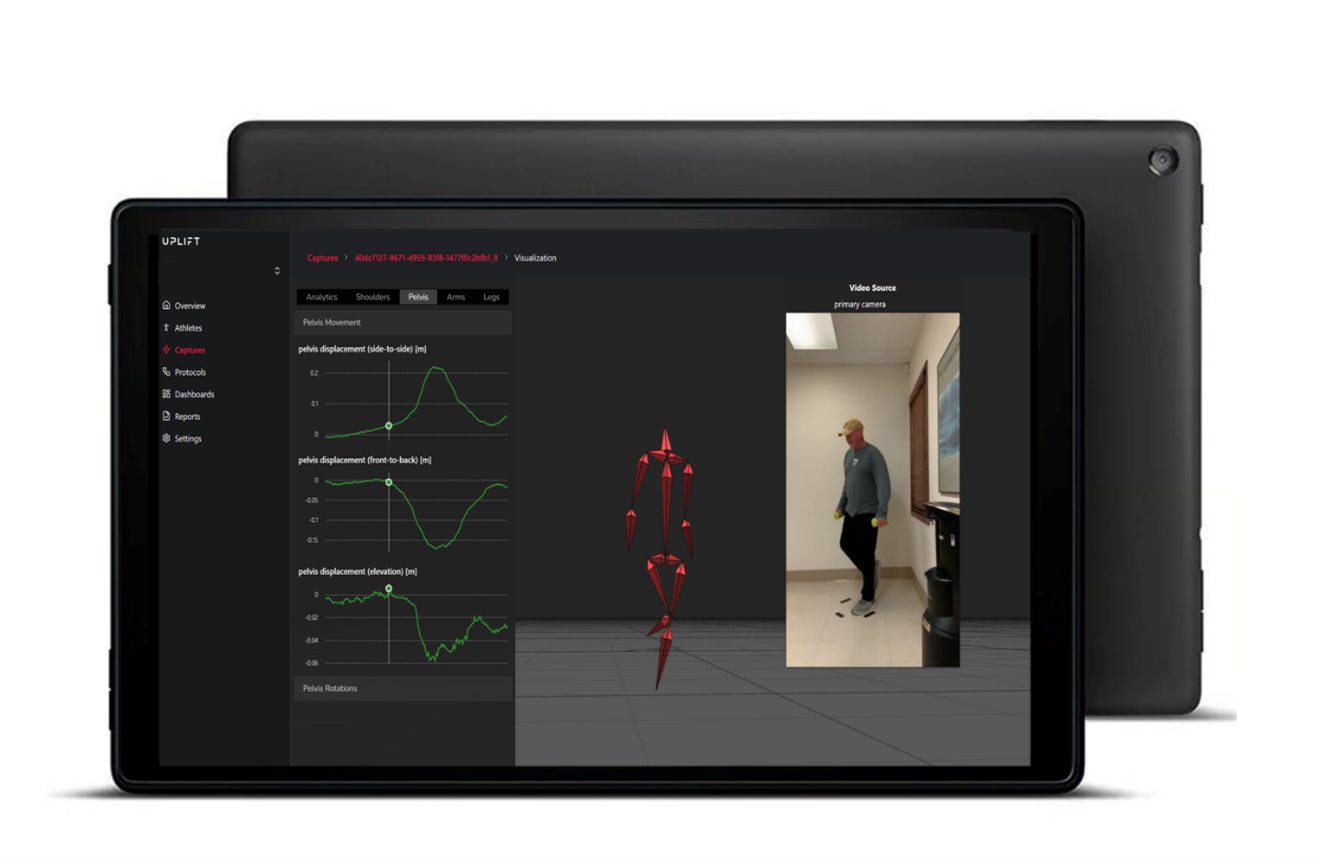
LiftSmart Insight360 takes into account aging factors as well, which contribute to fatigue and overexertion, as well as slips, trips, and falls, all risks that are more common in an aging population. By factoring in these age-related considerations, employers can proactively address the root causes of injuries and common physical issues associated with aging before they occur.
Companies using LiftSmart are already seeing tangible benefits:
- Early risk identification: Pinpointing roles or tasks with the highest injury potential before incidents occur.
- Targeted interventions: Implementing ergonomic adjustments, task modifications, and training programs tailored to the aging workforce.
- Reduced claims and downtime: Minimizing workplace injuries and associated costs by proactively addressing risk factors.
By leveraging LiftSmart, employers can protect their workforce, reduce injury-related claims, and maintain productivity while supporting the health and longevity of experienced employees.
The Bottom Line
As the workforce continues to age, industries with physically demanding jobs must adapt. Older employees bring invaluable experience and knowledge, but their risk of injury is higher when job demands exceed physical capacity. Programs like LiftSmart, which consider age-related fatigue, overexertion, and common hazards like slips and falls, provide the insights and strategies organizations need to stay ahead, keeping employees safe, reducing injuries, and improving long-term business outcomes. Companies that integrate age-related risk factors into their safety and wellness strategies will be better positioned to protect both employees and the business as this demographic continues to grow.

About the author
Philip Stotter, MS, CEP
Philip Stotter, MS, CEP has over 25+ years of experience in the medical, health, wellness, and professional sports industries. Clinician turned business developer, Philip is a sought-after industry speaker and professional consultant. His ground-breaking work in injury prevention, paired with the science of human movement, has put him at the forefront of product development with a multidisciplinary approach that integrates physiology, biomechanics, cutting-edge technologies, and data-driven research.